Book Overview
“The Day the Crayons Quit” PDF offers a vivid, letter‑filled narrative where each crayon voices grievances about Duncan’s misuse. The free download spans 36 pages, featuring bold illustrations and a compelling call for empathy and creative responsibility. Readers discover how each hue’s voice shapes the!.
Title and Publication Context
The Day the Crayons Quit is a charming picture book that first appeared in 2013. The PDF version is freely available through the Internet Archive and other digital libraries, offering a convenient way for educators, parents, and young readers to access the story without a physical copy. The book’s original publication by Chronicle Books introduced readers to the quirky premise of crayons that have grown weary of being misused. The PDF edition preserves the original layout, illustrations, and letter format, allowing the narrative to unfold exactly as it did in print. The release date of the PDF coincides with the book’s 10th‑anniversary celebration, and the digital format has been updated to include enhanced accessibility features such as selectable text and high‑resolution images. This version is ideal for classroom use, home reading, or as a resource for teachers who wish to incorporate the story into lesson plans about empathy, communication, and creative expression; The PDF’s distribution is governed by the publisher’s licensing agreements, which permit non‑commercial use for educational purposes. By providing a free, downloadable format, the publisher’s has broadened the reach of the book, ensuring that children worldwide can experience the playful rebellion of the crayons and the lesson it imparts about listening to diverse voices. In addition, the PDF includes a companion educator’s guide offering discussion questions, activity ideas, and a printable worksheet that encourages students to write their own letter to a favorite object. The guide’s inclusion in the PDF package underscores the book’s educational potential and provides a framework for teachers to explore themes of fairness, respect, and collaboration.

Author and Illustrations
Day‑Walt Dayle, the book’s author, also illustrated the pages, blending playful sketches with expressive color. His dual role gives the story a cohesive, whimsical feel, as each crayon’s letter is paired with a hand‑drawn portrait that captures its personality. Enjoy read!
Daytime’s Role as Author and Illustrator
DayWalt Dayle, the creative mind behind The Day the Crayons Quit, serves as both author and illustrator. In the PDF, he turns the crayon characters into vivid, hand‑drawn portraits that echo each hue’s distinct voice. His illustrations do more than decorate; they act as narrative cues, guiding readers through the crayon letters’ emotional journey. By blending text and image, Dayle creates an immersive experience that invites children to see themselves as part of the story. His dual role ensures a consistent tone, balancing humor with heartfelt messages about empathy, respect, and listening. The PDF preserves the original color fidelity, rendering each crayon’s shade accurately for maximum visual impact.
Dayle’s background in children’s literature and illustration informs his approach. He has worked on educational projects that emphasize interactive learning, and this experience shines through the PDF’s layout, encouraging readers to pause and reflect on each letter. Subtle visual cues—such as the crayon’s color palette and letter placement—reinforce themes of individuality and teamwork. The PDF’s accessibility features, like selectable text and zoomable images, support diverse learning styles, making the book an inclusive tool for classrooms and home libraries alike. Its engaging design encourages discussion and creative exploration!
Plot Summary
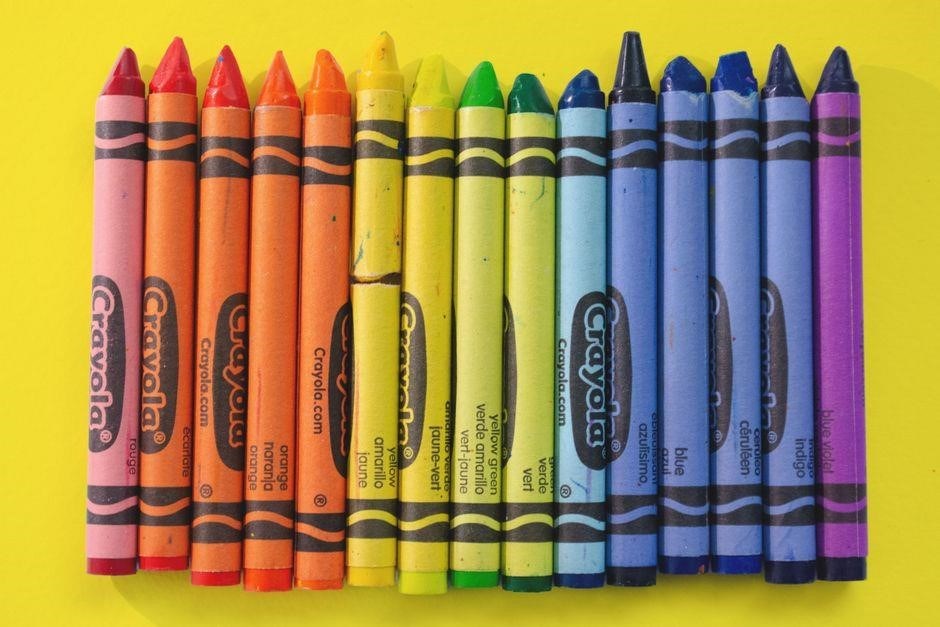
When Duncan opens his crayon box, he finds letters demanding a cease. Each crayon—Red, Blue, Yellow—expresses frustration over misuse. The PDF follows their protests, showing how their voices unite to teach respect, empathy, and the power of listening.
Crayons speak listen color.
Crayons’ Letter-Writing Protest
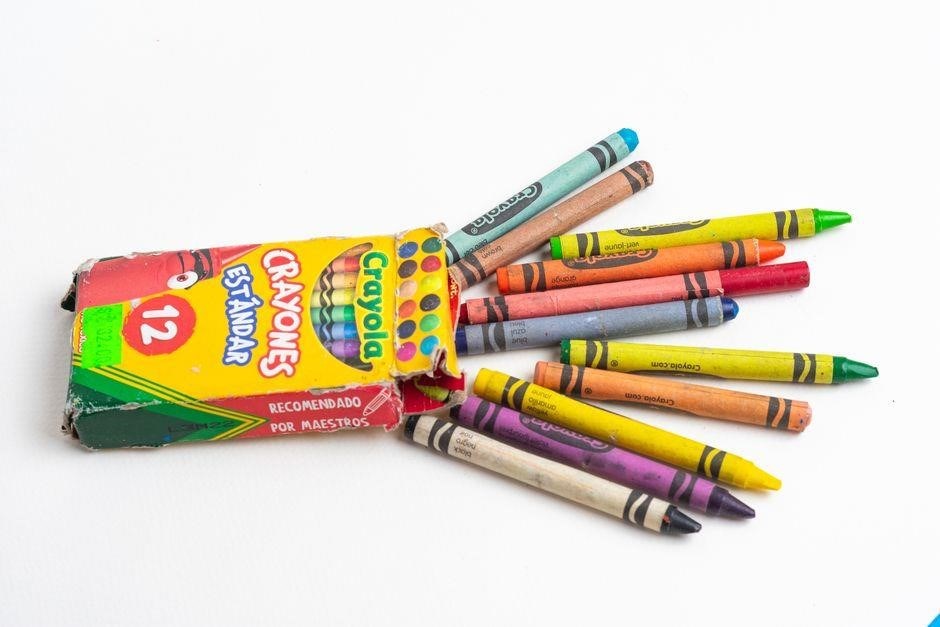
In the PDF edition of “The Day the Crayons Quit,” the crayon characters launch a coordinated letter‑writing protest. Each hue—Red, Blue, Green, Yellow, Orange, Brown, Black, and Pink—scribbles a heartfelt note to Duncan, the boy who owns the box. The letters are a manifesto of identity, purpose, and respect. Red claims he is the “hero” of the page but is relegated to hearts and arrows. Blue laments being forced to color oceans and skies, never exploring subtle sunset shades. Green feels ignored, used only for grass and leaves. Yellow insists he is the true color of the sun, yet is paired with Orange, who claims the same. Brown complains about being the background, never the focus. Black desires to be part of the story, not just borders. Pink fears being overlooked. Each letter reflects the crayon’s personality, forming a chorus demanding change. The protest is a call for Duncan to listen, recognize each crayon’s unique contribution, and use them thoughtfully. The PDF’s layout places each letter on a separate page, with the crayon’s color filling the background, making the message visually striking. The result is a narrative that teaches empathy, collaboration, and valuing every voice. The protest culminates in a resolution: Duncan agrees to respect each crayon’s wishes, leading to a harmonious coloring experience where every hue is celebrated. This letter‑writing protest is the heart of the story, illustrating how communication and mutual respect can resolve conflict and foster creativity.
Additionally, the PDF includes a sidebar explaining the historical context of crayon usage, noting how children’s early exposure to color shapes their perception of art and collaboration. It offers a quick guide for educators to facilitate discussions about fairness, voice, and artistic agency. By integrating the protest into classroom activities, teachers can help students practice listening and negotiation skills while exploring color theory. The PDF’s design emphasizes accessibility, with large, bold fonts and clear color contrasts, ensuring that the protest’s message is as vivid as the crayons themselves. Students can also create their own protest letters, reinforcing the lesson.
Character Perspectives
Each crayon shares its voice: Red feels heroic, Blue craves depth, Green seeks recognition, Yellow claims sunshine, Orange rivals, Brown feels background, Black desires more than outlines, Pink fears neglect. Their letters reveal identity, purpose, and a plea for respect.!!
Individual Crayon Voices and Their Complaints
Red, the bold champion, complains that Duncan always uses him to draw heroic figures, never letting him rest in the background. Blue, the deep‑sea hue, feels overused in water scenes, yearning for quieter moments. Green, the earth tone, is tired of being stuck in trees and grass, craving recognition in other contexts; Yellow, the sunny one, believes he should be used for bright skies, not merely as a filler. Orange, the vibrant shade, feels overlooked when Duncan prefers more muted colors. Brown, the grounding color, laments being relegated to outlines and shadows, yearning for more prominent roles. Black, the versatile ink, desires to be used beyond simple borders, wishing for creative freedom. Pink, the gentle hue, feels neglected, often left in drawers, longing for acknowledgment and use in delicate details. Each letter reveals a unique perspective, a plea for respect, and a call to balance their contributions in the art of storytelling. Red writes, “I am the hero, yet I am always the first line.” Blue writes, “I drown in endless oceans, I need a break.” Green writes, “I am the soil, yet I am only in trees.” Yellow writes, “I am the sun, yet I am used as a background.” Orange writes, “I am the sunrise, yet I am ignored.” Brown writes, “I am the earth, yet I am only a shadow.” Black writes, “I am the ink, yet I am only a line.” Pink writes, “I am the blush, yet I am forgotten.” The collective voices underscore the importance of listening to each color’s unique needs, fostering a more harmonious and creative environment for all crayons and their human companion alike.

Educational Resources
Explore the free PDF guide, lesson plans, and activities that bring the crayon letters to life. Teachers can use the narrative to teach empathy, writing, and color theory. Download the PDF, share in classrooms, and spark creative discussions.Use the PDF for group projects. Now
Educators’ Guide and Lesson Plans
The free PDF guide that accompanies “The Day the Crayons Quit” is a comprehensive resource for teachers from kindergarten through fifth grade. It offers ready‑made lesson plans aligned with literacy, art, and social‑emotional standards, plus discussion prompts, writing activities, and hands‑on projects that bring the crayon letters to life. The guide starts with an overview of the book’s themes—persuasion, empathy, and creative ownership—and then moves into a unit plan spanning three to four weeks. Each week focuses on a different crayon voice, letting students explore perspective and voice through guided reading, role‑play, and collaborative art. For example, the “Red’s Letter” unit includes a color‑theory worksheet that connects the hue to emotions, a drama activity where students act as Red, and a writing prompt that asks them to write a reply acknowledging the complaint while proposing a solution. Assessment is built into every lesson with a rubric that evaluates empathy, communication, and creativity. Teachers can use downloadable worksheets, printable activity sheets, and reflection sheets to adapt the material for diverse learners, including ELL students and those who benefit from visual aids or sentence starters. Extensions such as a “Crayon Diary,” a “Color‑Mosaic” project, a “Crayon Council” role‑play, or a short video diary from a crayon’s perspective give advanced students opportunities to apply digital media skills and deepen their understanding of the narrative’s themes.
The guide also provides a rubric for assessing student responses, with criteria for empathy, creativity, and offers differentiation strategies such as sentence starters for shy writers and visual aids for ELL learners; Teachers can track progress and share work!!

Multimedia Adaptations
The PDF includes a music‑movement module that transforms the crayon letters into rhythmic chants and simple percussion patterns. Orff‑Schulwerk teachers can use the provided song sheets to teach rhythm, pitch, and collaborative singing, turning the story into an engaging classroom performance. for all ages and more.!
Music and Movement Teaching Applications
Designed for early classrooms, the PDF’s “Music & Movement” section turns crayon letters into kinetic learning moments. Each hue’s complaint pairs with a rhythmic chant, clapping pattern, and movement cue that mirrors its personality—Beige’s slow sway, Black’s sharp stomp, Blue’s fluid wave, Orange’s energetic hop, Yellow’s bright skip. Teachers use the 12‑minute lesson plan to guide students through a circle of voices, encouraging them to create crayon songs on paper or with body percussion. The module offers a “Color‑Code” activity where children match the chant’s tempo to a color wheel, reinforcing musical tempo and color theory. For older learners, the PDF provides a “Composer’s Corner” where students compose short melodies reflecting each crayon’s mood, using simple notation or recorded samples. The resource is fully adaptable, with extensions for drama, visual arts, and digital media, allowing educators to blend movement, sound, and illustration into a cohesive, multisensory lesson that celebrates creativity, empathy, and problem‑solving. The PDF’s instructions and audio files make implementation easy, even for teachers new to Orff‑Schulwerk. By the end of the unit, students will have performed a “Crayon Chorus,” demonstrating musical skill and understanding of the story’s themes. The activity encourages listening and reflection on the crayon’s journey now.
- Benefits: • Enhances rhythmic awareness
- • Promotes empathy through role‑play
- • Integrates STEM concepts with color coding

Availability and Formats
The PDF of “The Day the Crayons Quit” is free on the Internet Archive, 36 pages, 26 cm tall. It’s available as PDF, e‑book, or printable sheet. The file supports zoom, annotations, and prints on A4. Teachers can embed it in lesson plans or use it as a digital read‑aloud!!!
PDF and Digital Downloads
“The Day the Crayons Quit” is freely available as a PDF through the Internet Archive, offering 36 unnumbered pages that capture the playful protest of each crayon. The file measures 26 cm in height, making it ideal for classroom use or home reading. Educators can download the PDF, print it in full color, or use it as a digital read‑aloud resource. The format supports zooming and annotation, allowing teachers to highlight specific letters or color choices. Additionally, a companion Educators’ Guide PDF provides lesson plans, discussion prompts, and activities that align with the book’s themes of persuasion and creative responsibility. The digital download is compatible with most e‑readers, tablets, and laptops, ensuring accessibility for students with varying learning styles. Because it is in the public domain, the PDF can be freely shared, reprinted, or incorporated into curriculum materials without licensing fees. The availability of both the original book and the guide in PDF form encourages schools to integrate the story into interdisciplinary projects, blending art, writing, and social‑emotional learning. Whether used as a standalone read or part of a larger unit, the PDF version of “The Day the Crayons Quit” offers a flexible, low‑cost option for educators seeking engaging, child‑centered literature. Students can also remix the PDF by adding their own color palettes or annotations, turning the story into a collaborative art project that reinforces reading comprehension and creative expression. Its open‑source inviteschange now.