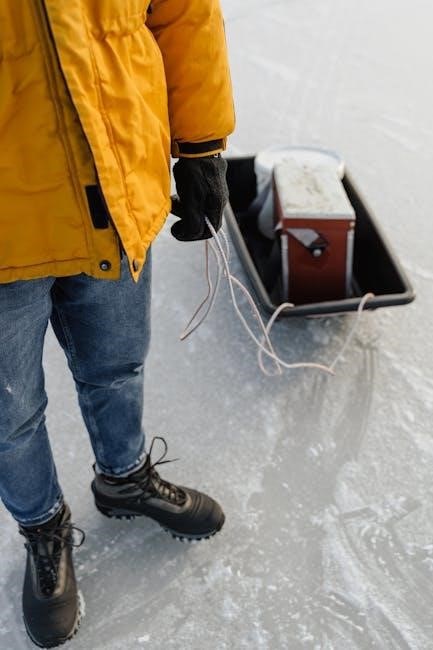
Lake Winnipeg Guided Ice Fishing: A Comprehensive Plan
Lake Winnipeg offers exceptional guided ice fishing experiences, boasting abundant walleye, perch, and northern pike in its vast, frozen expanse, especially near shallow sloughs.
Lake Winnipeg is rapidly gaining recognition as a premier ice fishing destination, attracting anglers seeking thrilling winter experiences. The lake’s expansive size and consistently cold temperatures create ideal conditions for a prolonged ice fishing season.
Guided ice fishing trips on Lake Winnipeg provide access to productive fishing spots, often near sloughs where the water is shallower, and fish congregate. These outings cater to all skill levels, from beginners to seasoned ice anglers. The abundance of walleye, perch, and northern pike ensures exciting catches, making it a truly rewarding adventure. Experienced guides enhance safety and maximize fishing success.
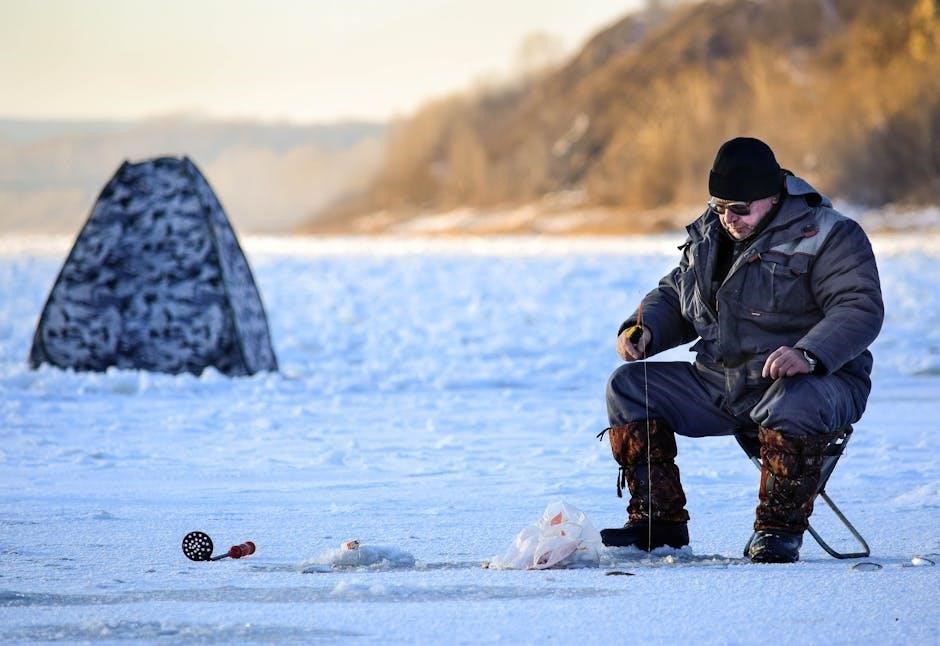
Understanding Lake Winnipeg’s Ice Conditions

Lake Winnipeg’s ice conditions are dynamic and require constant monitoring for safe ice fishing. The lake typically freezes sufficiently for ice travel in late December or early January, but conditions vary annually based on weather patterns.
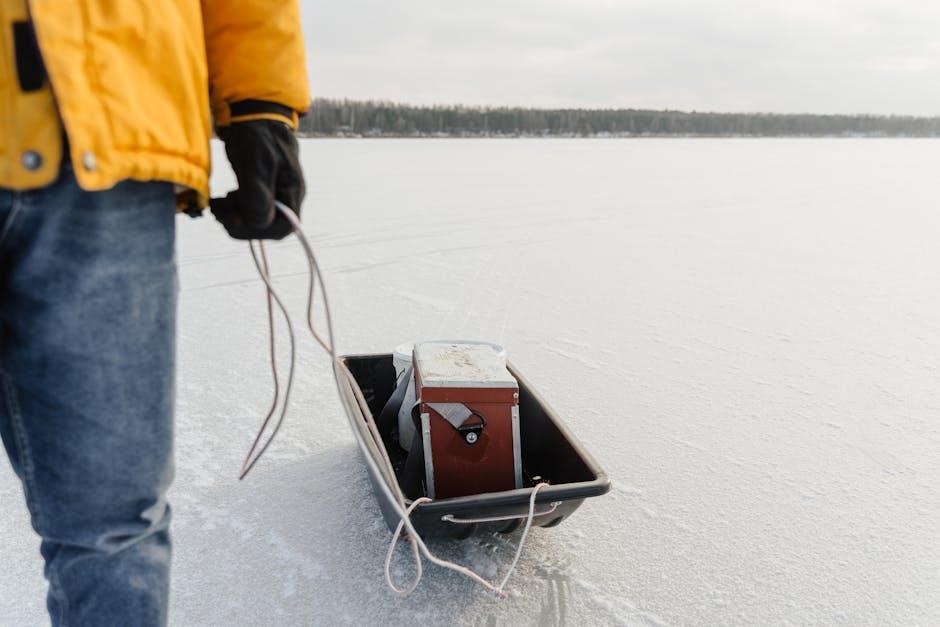
Currently, as of February 17, 2026, reports indicate areas near the sloughs are approximately three feet deep in ice. However, ice thickness isn’t uniform across the entire lake. Understanding wind direction, currents, and recent temperature fluctuations is crucial. Guided outfitters prioritize safety by regularly assessing ice thickness and utilizing appropriate equipment, ensuring a secure experience for all participants.
Ice Thickness and Safety
Safe ice is paramount for a successful and enjoyable Lake Winnipeg ice fishing trip. A minimum of five inches of clear, blue ice is generally considered safe for foot travel, while eight to twelve inches are needed for snowmobiles or small vehicles. However, these are guidelines only.
Conditions near shorelines, river mouths, and areas with currents are often thinner and less predictable. Guided outfitters consistently monitor ice thickness and utilize ice augers to verify safety before venturing onto the ice. Always heed their advice and never exceed recommended weight limits for the ice conditions. Prioritize caution and preparedness.
Current Ice Reports & Resources
Staying informed about current ice conditions is crucial for safe Lake Winnipeg ice fishing. Numerous resources provide updated reports, including local outfitters who actively monitor the ice daily. Online fishing forums and social media groups dedicated to Lake Winnipeg often share real-time observations from anglers on the ice.
Manitoba Conservation and Climate also provides valuable information, though it may not be as frequently updated as local sources. Checking multiple reports before heading out is highly recommended. Remember that conditions can change rapidly due to weather fluctuations, so recent information is key.
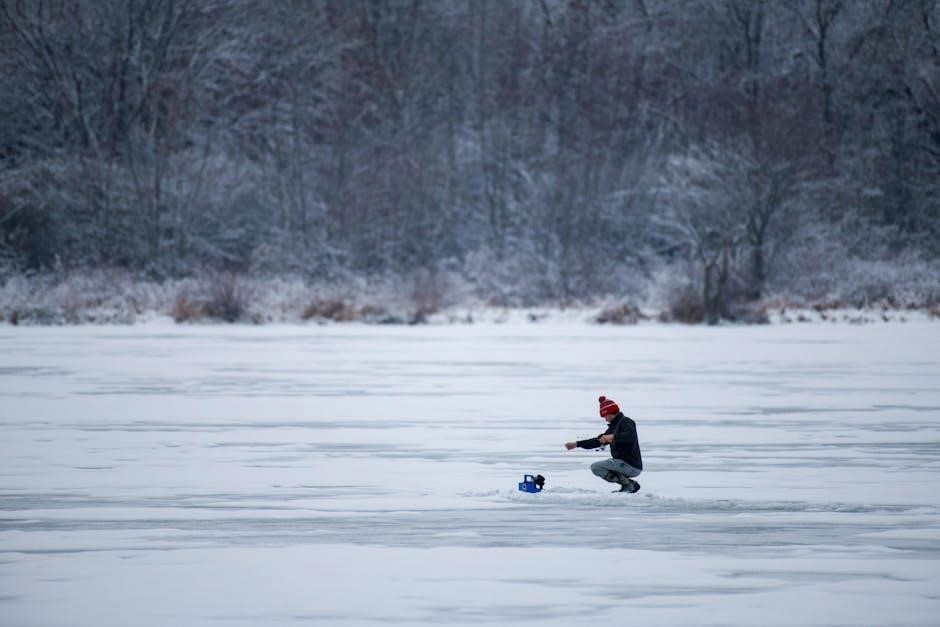
Popular Fish Species for Ice Fishing
Lake Winnipeg is renowned for its diverse and plentiful fish populations, making it a premier ice fishing destination. Walleye consistently rank as the most sought-after species, attracting anglers with their size and flavor. Perch are incredibly abundant, forming large schools under the ice and offering fast-paced action for all skill levels.
Northern Pike provide a thrilling challenge, known for their aggressive strikes and powerful runs. Other species, like whitefish and sauger, are also present, though less frequently targeted. Guided trips often focus on these three primary species, maximizing angling success.
Walleye: The Premier Target
Walleye consistently draw anglers to Lake Winnipeg, celebrated for their exceptional size and taste. These fish thrive in the lake’s waters, becoming the focal point of many guided ice fishing adventures. Successful walleye pursuits often involve jigging presentations with lively bait, or employing aggressive lure retrieves to trigger strikes.
Experienced guides possess intimate knowledge of walleye hotspots, adapting strategies based on current conditions. Targeting areas near sloughs, where walleye congregate, is a common tactic. Expect opportunities for catching impressive specimens, making walleye the true premier target.
Perch: Abundant and Aggressive
Perch populations in Lake Winnipeg are remarkably abundant, offering fast-paced action for ice anglers. These fish are known for their aggressive feeding habits, readily attacking a wide variety of baits presented beneath the ice. Schools of perch often amass in large numbers, creating opportunities for limit-out catches.
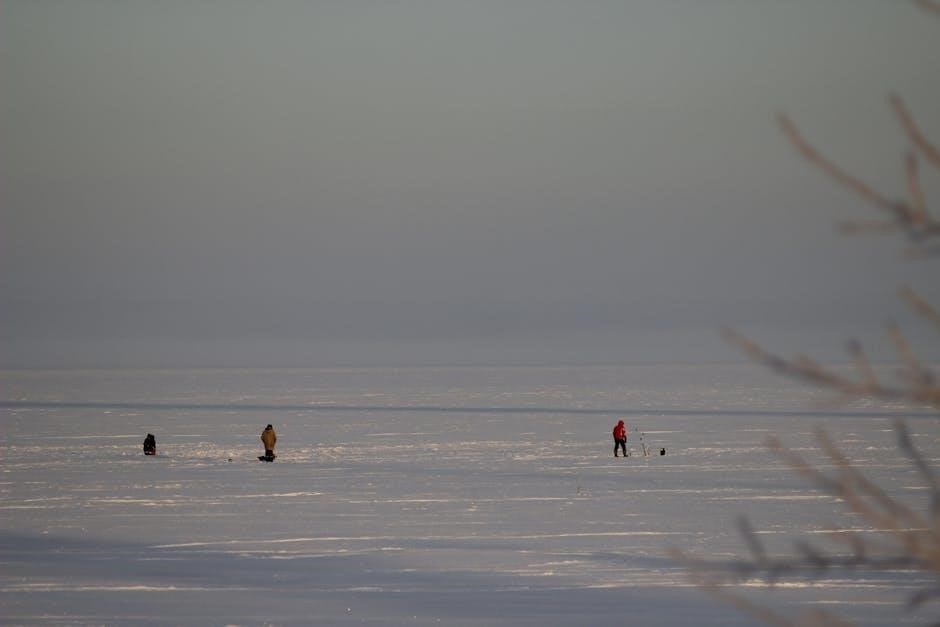
Guides frequently target perch near shallow sloughs, where they congregate in significant quantities. Simple presentations, utilizing lively minnows or small lures, consistently produce results. The sheer number of perch makes them a favorite target, especially for families and novice anglers.
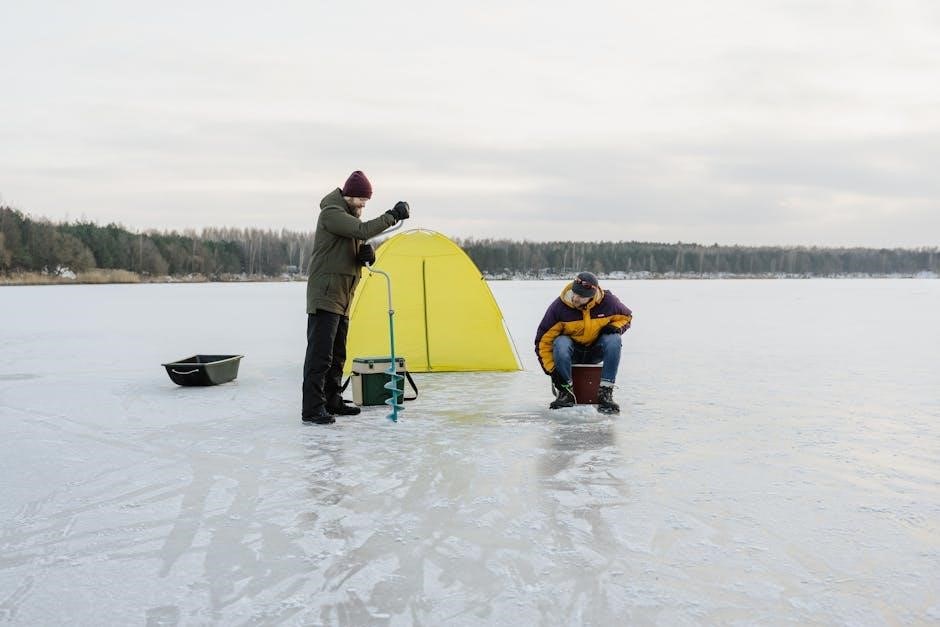
Northern Pike: A Thrilling Catch
Northern Pike provide a thrilling ice fishing experience on Lake Winnipeg, known for their powerful strikes and impressive size. These apex predators actively hunt beneath the ice, making them a sought-after target for experienced anglers. Guides employ various techniques to entice pike, including tip-ups and aggressive jigging presentations.
Large spoons, flashy lures, and sizable dead or live bait are effective for attracting pike. Be prepared for a strong fight, as these fish possess incredible strength and stamina. Pike fishing offers a dynamic and rewarding challenge for those seeking an adrenaline rush on the ice.
Choosing a Guided Ice Fishing Outfitter
Selecting the right guided ice fishing outfitter is crucial for a safe and successful Lake Winnipeg adventure. Prioritize outfitters with a proven track record and extensive local knowledge of ice conditions and fish locations. Thoroughly investigate their safety protocols, ensuring they provide essential ice safety gear and adhere to Manitoba’s regulations.
Clarify what equipment is included – shelter, auger, rods, reels – versus what you need to bring. Experienced guides will offer tailored strategies based on your skill level and target species. Read reviews and compare packages to find an outfitter that aligns with your preferences and budget.
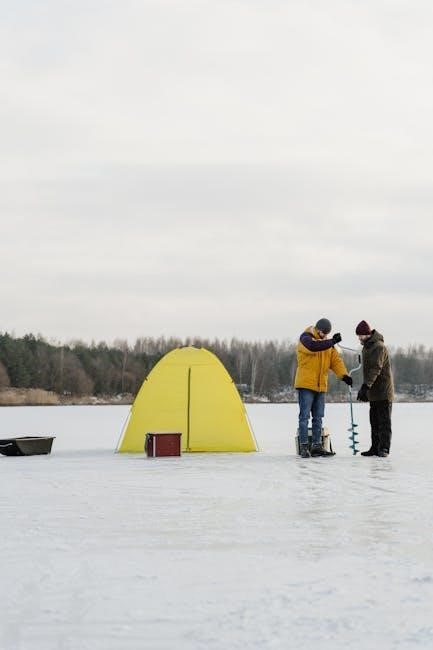
Factors to Consider When Selecting a Guide
When choosing a Lake Winnipeg ice fishing guide, reputation and experience are paramount. Seek outfitters with consistently positive reviews highlighting successful fishing trips and client safety. Inquire about the guide’s familiarity with current ice reports and their ability to adapt to changing conditions.
Determine precisely what’s included in the package – is bait provided, or do you need to purchase it separately? Understand the guide-to-client ratio; smaller groups often allow for more personalized attention. Confirm transportation details and the availability of heated shelters for comfort during long days on the ice.
Reputation and Experience
A reputable Lake Winnipeg ice fishing guide will possess extensive knowledge of the lake’s ever-changing conditions and fish behavior. Look for outfitters with years of experience specifically on Lake Winnipeg, demonstrating a proven track record of successful trips. Online reviews and testimonials offer valuable insights into past clients’ experiences.
Don’t hesitate to ask about the guide’s safety certifications and emergency preparedness protocols. Experienced guides prioritize client safety above all else, closely monitoring ice thickness and weather patterns. A seasoned guide understands where the fish are holding and employs effective techniques to maximize your catch.
Equipment Provided vs. Personal Gear
Most Lake Winnipeg guided ice fishing trips include essential equipment like shelters, heaters, and ice augers – both manual and powered options may be available. Typically, rods and reels are provided, though some anglers prefer bringing their own specialized gear. Confirm what’s included when booking.
Personal gear necessities include warm, waterproof clothing in layers, insulated boots, hats, and gloves. Don’t forget sunglasses, sunscreen, and a camera to capture your catch! Ice safety gear, such as spikes and a rope, might be provided, but it’s wise to have your own as a backup;
Essential Ice Fishing Equipment
For a successful Lake Winnipeg ice fishing trip, having the right equipment is crucial. An ice auger – manual or power – is paramount for creating access to the water. Ice fishing rods and reels, designed for sensitivity and cold conditions, are essential. A sturdy shelter protects from the elements, and a heater ensures comfort during long days on the ice.
Don’t overlook bait and lures specifically targeting walleye, perch, and northern pike. Ice safety gear like spikes, rope, and an ice pick are non-negotiable for personal safety. Warm clothing, including layers, boots, and gloves, completes the essential kit.
Ice Auger: Manual vs. Power
Choosing between a manual and power ice auger for Lake Winnipeg depends on frequency of use and ice conditions. Manual augers are lightweight, affordable, and reliable, ideal for occasional trips and thinner ice. However, they require significant physical effort, especially with thicker ice.
Power augers, fueled by gas or electricity, drill through ice quickly and effortlessly, crucial for frequent fishing or challenging conditions. They are heavier and more expensive, but save considerable time and energy. Consider the typical ice thickness and your physical capabilities when making your decision.
Ice Fishing Rods and Reels
Selecting the right ice fishing rods and reels is vital for success on Lake Winnipeg. Shorter rods, typically 24-36 inches, provide better control in the confined space of an ice shelter. Medium-light to medium power rods are versatile for walleye and perch, while medium-heavy power handles larger pike.
Spinning reels are popular for their ease of use, while inline reels offer direct line control. Ensure your reel is spooled with quality line appropriate for the target species and water temperatures. A sensitive rod tip helps detect subtle bites in the frigid waters.
Shelters and Heaters
Ice fishing shelters are crucial for comfort and safety on Lake Winnipeg’s exposed ice. Pop-up shelters offer portability, while more permanent, insulated shelters provide superior warmth. Windbreaks are essential, even with a shelter, due to the lake’s notorious winds.
Propane heaters are commonly used to maintain a safe and comfortable temperature inside the shelter. Always ensure proper ventilation to prevent carbon monoxide buildup. Consider a buddy heater with an oxygen depletion sensor for added safety. A well-equipped shelter extends your fishing day significantly.
Bait and Lures for Lake Winnipeg
Lake Winnipeg’s diverse fish species require varied bait and lure strategies. Perch are remarkably aggressive, readily striking at almost any bait presented under the ice – making them easy targets. For walleye, jigging spoons, crankbaits, and live minnows are highly effective.
Northern pike demand larger presentations; consider using quick-strike rigs with deadbait or sizable spoons and jerkbaits. Experimentation is key, but understanding the species’ preferences will maximize your success. Don’t underestimate the power of vibrant colors to attract attention.
Effective Walleye Baits
Walleye in Lake Winnipeg respond well to a variety of presentations. Jigging spoons, particularly those with rattles, are consistently productive, mimicking injured baitfish. Live minnows, rigged on jig heads or presented with a slip-bobber, are a classic and reliable choice.
Crankbaits, trolled slowly near the bottom, can also trigger strikes. Experiment with different colors and sizes to determine what the walleye are favoring on any given day. Remember to adjust your presentation based on water clarity and depth.
Perch-Attracting Lures
Lake Winnipeg’s perch are famously aggressive, readily attacking a wide range of lures. Small jigging spoons, tipped with a minnow head or waxworm, are incredibly effective. Brightly colored lures, like chartreuse or orange, often stand out and attract attention in the murky water.
Horizontal jigs, presented with a subtle swimming action, can also entice perch. Don’t underestimate the power of simple bait – a lively minnow on a small hook is often all you need, given their abundant nature and eagerness to feed.
Pike-Specific Baits and Techniques
Lake Winnipeg’s Northern Pike demand a more robust approach. Large spoons, bucktail jigs, and even crankbaits can trigger strikes from these predatory fish. Employing a ripping jigging action, followed by a pause, often proves successful.
Quickly raising and dropping the lure mimics an injured baitfish, enticing a follow and then a strike. Live bait, such as large minnows or deadbait, presented under a float, is also highly effective. Steel leaders are essential to prevent bite-offs from their sharp teeth.
Prime Ice Fishing Locations on Lake Winnipeg
Lake Winnipeg’s prime ice fishing spots center around areas near the sloughs, where shallower depths concentrate fish. These locations, currently reported at around 3 feet deep, are hotspots for perch and walleye. Recent reports highlight consistent action in these areas, making them ideal starting points.
Guided outfitters often focus on locations based on up-to-date ice conditions and fish concentrations. Exploring areas with structure, like submerged points or weed beds, can also yield excellent results. Remember to check current ice reports before venturing out!
Near the Sloughs: Shallow Water Hotspots
The areas surrounding the sloughs on Lake Winnipeg are renowned shallow water hotspots, currently averaging just 3 feet in depth. This minimal depth concentrates baitfish, attracting aggressive perch schools known to attack almost any offering. Walleye also frequent these zones, seeking easy meals.
These locations are particularly productive due to increased sunlight penetration and warmer temperatures, even under the ice. Guided trips often prioritize slough proximity, maximizing angler success. Remember to exercise extreme caution due to fluctuating ice conditions in shallower areas.
Popular Areas Based on Recent Reports
Recent fishing reports (February 17, 2026) indicate consistent activity across several Lake Winnipeg locations. Shawano Lake and Lake Winnebago, while separate bodies of water, demonstrate the region’s overall strong fishing conditions. Tichigan Lake in Waukesha County is also showing promise, with 44 lakes reported in the area.
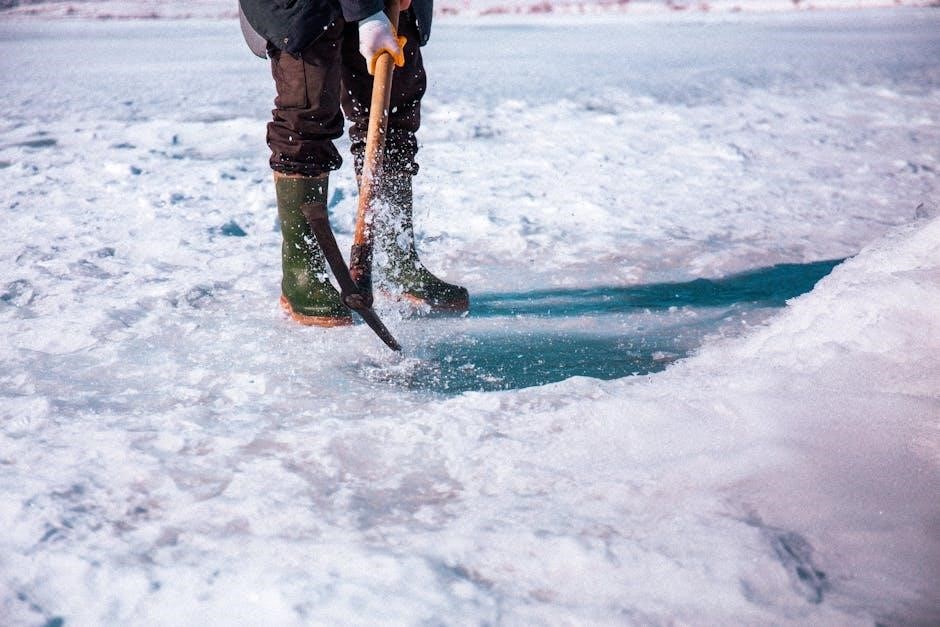
Manistee and Pierce Lakes, though not directly on Winnipeg, highlight Wisconsin’s broader appeal for ice anglers. Lake Wisconsin itself remains a popular destination. Guided outfitters are focusing on areas with consistent perch and walleye signals, adapting to daily ice conditions and fish movements.
Regulations and Licensing
Anglers planning a guided ice fishing trip on Lake Winnipeg must possess a valid Manitoba fishing license. These licenses are readily available online through the Manitoba government’s official channels, or at various retail locations near the lake. Specific ice fishing regulations apply to Lake Winnipeg, including daily catch limits for walleye, perch, and northern pike.
It’s crucial to consult the current Manitoba Angler’s Guide for detailed information on size restrictions and any seasonal closures. Guided outfitters typically advise clients on these regulations, ensuring compliance and responsible fishing practices. Ignoring these rules can result in fines.
Manitoba Fishing Licenses
Securing a Manitoba fishing license is a prerequisite for ice fishing on Lake Winnipeg, whether you’re fishing independently or with a guided outfitter. Licenses can be conveniently purchased online via the Manitoba government’s website, offering various durations – from short-term to annual options. Alternatively, licenses are available at numerous retail vendors located in communities surrounding Lake Winnipeg.
Non-residents will require a different license than Manitoba residents, with associated fees varying accordingly. It’s advisable to purchase your license well in advance of your trip to avoid any delays.
Ice Fishing Regulations Specific to Lake Winnipeg
Lake Winnipeg possesses specific ice fishing regulations that anglers must adhere to, beyond the general Manitoba fishing regulations. These include restrictions on the number of hooks permitted per line, and specific size and possession limits for walleye, perch, and northern pike. Regulations can change seasonally, so checking the latest updates from Manitoba Conservation is crucial.
Certain areas may be designated as closed to ice fishing to protect spawning grounds or sensitive ecosystems. Guided outfitters are typically well-versed in these regulations and will ensure compliance.
Safety Precautions for Ice Fishing
Lake Winnipeg’s ice demands rigorous safety precautions. Always fish with a buddy and inform someone of your plans. Essential gear includes ice spikes, a rope, and ice picks – readily accessible for self-rescue. Regularly check ice thickness as conditions vary, particularly near shorelines and river mouths.
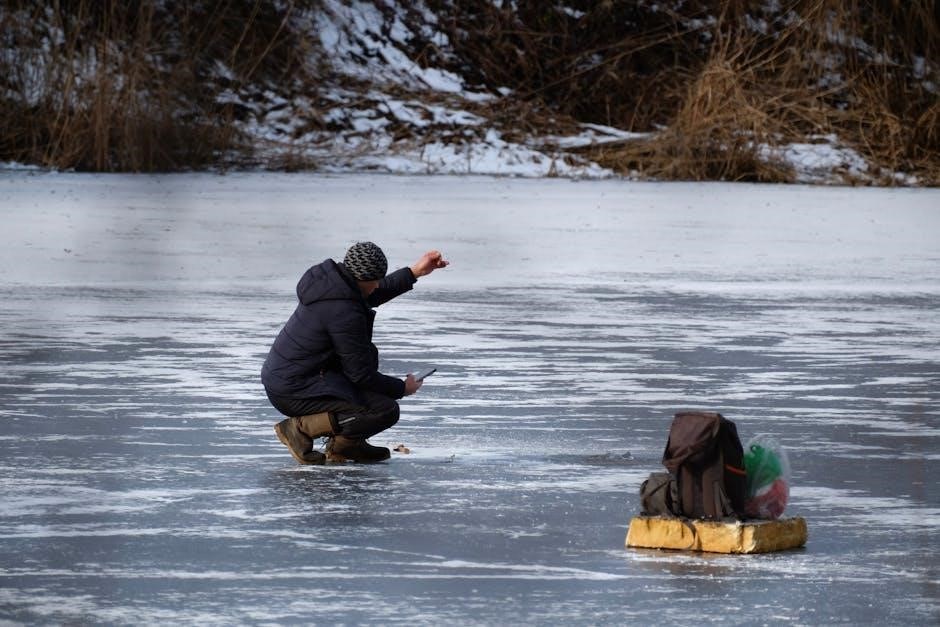
Avoid traveling across the ice in vehicles unless specifically advised by your guide or recent ice reports confirm sufficient thickness. Be aware of potential hazards like cracks and pressure ridges, and understand emergency procedures should the unexpected occur.
Ice Safety Gear (Spikes, Rope, Ice Picks)
Essential ice safety gear is non-negotiable on Lake Winnipeg. Ice spikes, worn around the neck, provide crucial traction if you break through. A waterproof rope, at least 50 feet long, allows for self-rescue or assisting a partner. Ice picks, handheld tools with serrated edges, help regain grip on the ice surface.
These items are your first line of defense. Practice using them before venturing onto the ice. Ensure everyone in your party carries and knows how to operate this life-saving equipment, as conditions can change rapidly.
Emergency Procedures
If you fall through the ice on Lake Winnipeg, remain calm. Immediately attempt to self-rescue using your ice picks to pull yourself onto the surface. Extend your body along the ice, distributing your weight. Once out, avoid standing; crawl towards shore or a safe area.
If assisting someone else, throw them a rope or extend a long object. Call for help immediately, providing your location. Guided outfitters will have established emergency protocols; follow their instructions precisely. Hypothermia is a serious risk – seek medical attention promptly.